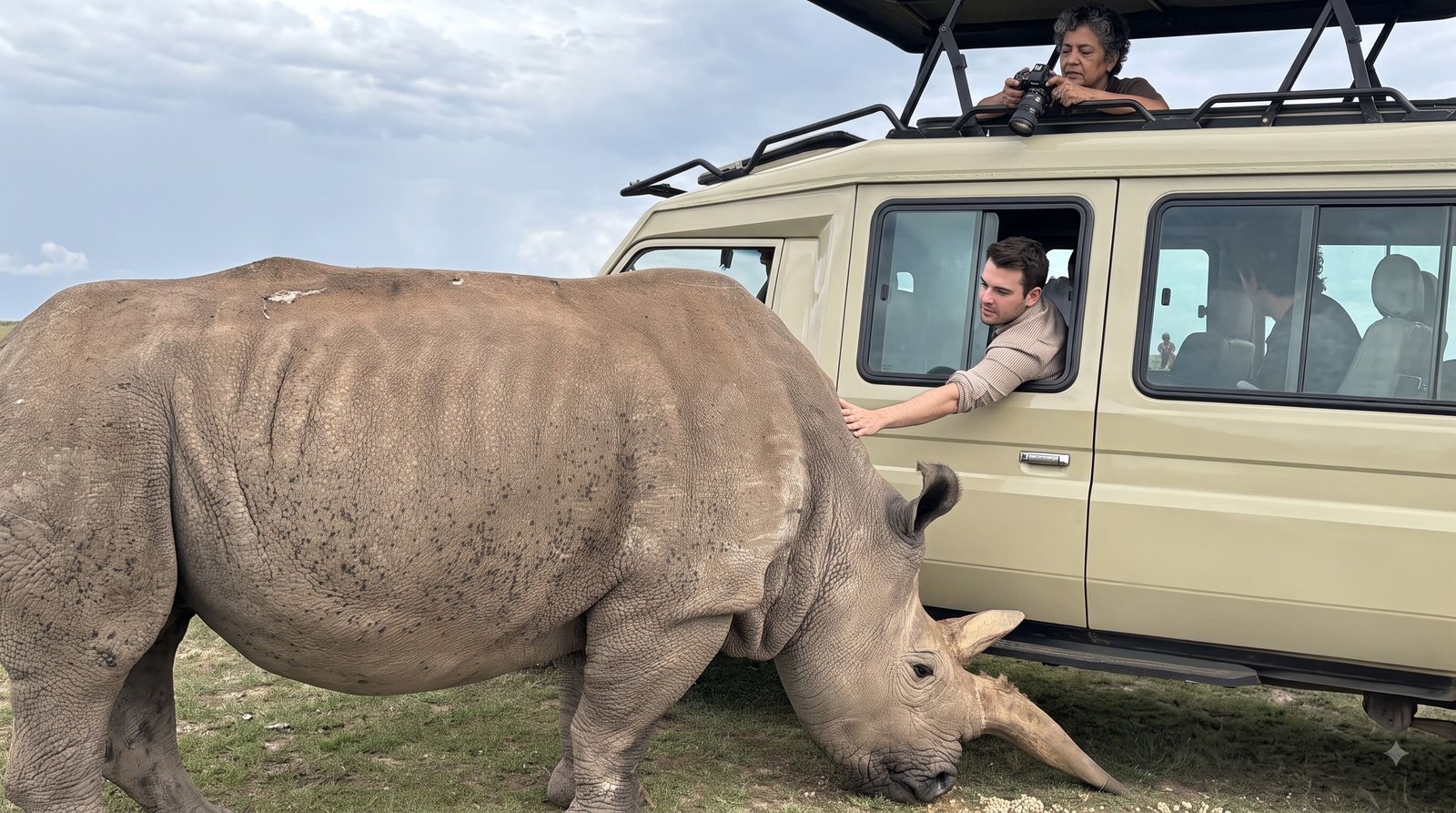
Somewhere between the short-grass plains of southern Tanzania and the acacia woodland of Kenya's Masai Mara, roughly two million wildebeest, zebra and gazelle spend the year walking in a very large, very old circle. Kenya's stretch of that circle — the four months locals simply call the crossing season — is what most people mean when they ask about a Great Migration safari in Kenya. It isn't one event on one date; it's a window when the odds of watching a herd throw itself into the Mara River, with lions waiting in the grass on the far bank, tip firmly in your favour.
This guide is the one we hand every guest who writes in asking a version of the same question: when should we go, and what will it actually cost? We've built Great Migration safaris in Kenya for enough seasons now to have firm opinions — about which bank of the river to base yourself on, which weeks genuinely earn the premium, and which months get sold as "migration" when the herds are, honestly, three hundred kilometres away in Tanzania.
Treat what follows as a planning tool rather than a brochure. We'll walk through the migration's own calendar first, then the practical part — where to watch it, what a private safari built around it costs in INR, and the questions we're asked most often before a booking is confirmed.