field notes · the essential guide

Your Masai Mara National Reserve Safari, Planned Properly

Wildebeest gathered along the Mara River inside the Masai Mara National Reserve
the Mara River, first light — the whole reason people come

1,510 km²

the reserve, wall to wall

Big Five

resident, year-round

Jul–Oct

river-crossing season

₹2.45L

from · per person

Everyone arrives with a picture already in their head — a wildebeest mid-leap over a churning river, maybe, or a lion cub blinking awake on its mother's back. Strip the postcard away and the Masai Mara National Reserve is, in plain terms, roughly 1,510 square kilometres of protected savanna in Narok County, southwestern Kenya, sitting flush against the Tanzanian border where it becomes the Serengeti. A Masai Mara National Reserve safari is, at its simplest, a handful of days spent inside that one stretch of grassland — and everything below is what we walk first-time guests through before they book.

It has earned its fame honestly. This is the stage for the Great Migration's river crossings, one of the most dependable places on Earth to find all five of the so-called Big Five, and a landscape open enough that a single sunset can run from horizon to horizon without a hill in the way. It also sits close enough to Nairobi — a 45-minute flight, or under six hours by road — that you can genuinely be watching a sundowner here on the same day you left home.

What follows is arranged the way our designers actually plan a trip: what the reserve is and how it differs from the private conservancies around it, the wildlife and seasons worth building a calendar around, what a safari day really looks like, how to get here, what it costs in INR, and a short sample itinerary to borrow from. Use the index on the left to skip ahead, or read start to finish — either way, you'll know more than most people do before their first Mara trip.
the first decision

Reserve, or Conservancy Next Door?

The single biggest choice in planning a Masai Mara National Reserve safari isn't which month — it's which side of an invisible line you sleep on.

A private 4x4 game drive inside the Masai Mara National Reserve
the reserve, on a good morning
the reserve

Inside the National Reserve Itself

This is the Masai Mara most people picture — the reserve proper, managed by Narok County and, on its western Mara Triangle side, the non-profit Mara Conservancy. Gates open at first light and close by early evening, and because the reserve is open to any licensed operator, a great sighting can occasionally draw a handful of other vehicles too. In exchange you get the reserve's reputation for sheer density: resident prides around Musiara Marsh, leopard along the Mara and Talek rivers, and camps just outside the boundary that cost noticeably less than their conservancy neighbours.

best for — first-time visitors, resident big cats, a straightforward budget

A cheetah surveying the plains from a private conservancy bordering the Masai Mara
a conservancy sighting, shared with no one
the conservancy

In a Private Conservancy Next Door

Ring the reserve and you'll find more than a dozen private conservancies — Mara North, Naboisho and Ol Kinyei among the best known — leased directly from Maasai landowners and capped, by agreement, on how many beds and vehicles each can hold. That cap is what buys you the things the reserve doesn't allow: night game drives, walking safaris with an armed ranger, and a guide who can leave the track when a sighting is worth the detour. Nightly rates run a little higher, but so does the sense that the plains belong to you alone.

best for — repeat visitors, night drives & walking safaris, a quieter camp

who you'll meet

The Wildlife You'll Actually See

Not a highlight reel — this is what genuinely turns up across an average few days in the reserve.

the big five, more or less guaranteed

  • Lion — resident prides den across the open plains and around Musiara Marsh
  • Leopard — most reliably spotted in the riverine forest along the Mara and Talek rivers
  • African elephant — herds move through the reserve in good numbers most months
  • Cape buffalo — large herds graze the marsh grasslands near the Mara River
  • Black rhino — rare and shy, mostly seen in the denser cover of the Mara Triangle

worth building the trip around

  • Cheetah — the reserve's open, short-grass plains are some of the best cheetah country in Africa
  • The Great Migration — well over a million wildebeest and zebra move through, July to October
  • Hippo & crocodile — stacked along the Mara River, especially near the crossing points
  • Birdlife — well over 400 recorded species, from the lilac-breasted roller to the martial eagle

pick your month

The Best Time for a Masai Mara Safari

There's no wrong month in the Mara — only a different Mara. Here's the honest version we give every guest.

Jul – Oct Migration season proper — the herds are on the northern bank and the river crossings are the headline event. Camps fill up six to nine months out. peak season
Dec – Feb The short dry spell. Grass sits low, the cats are easy to find, and camp rates ease off from the July peak. best value
Jun & Nov The two shoulder months either side of the crowds — green, quiet, and often the same wildlife with a fraction of the vehicles. quiet pick
Mar – May The long rains. Roads turn to mud and several camps close for maintenance — we'd rather build your trip around a different month. skip if you can

our designers' tip — chasing the river crossings? Base yourself near the northern bank around the Mara Triangle in early August — the herds tend to cluster there before the first big crossings begin.

a day in the reserve

What You Can Actually Do Here

The activity list changes the moment you cross from the reserve into a conservancy — worth knowing before you book.

always on, inside the reserve

  • Dawn and dusk game drives in a private 4x4
  • A professional local naturalist guide for the whole stay
  • Bush breakfasts and sundowners wherever your guide picks
  • Night game drives — not permitted inside the reserve boundary
  • Walking safaris — not permitted inside the reserve boundary

what opens up in a conservancy

  • Night game drives, spotlight and all
  • Guided walking safaris with an armed ranger
  • Off-road driving when a sighting is worth the detour
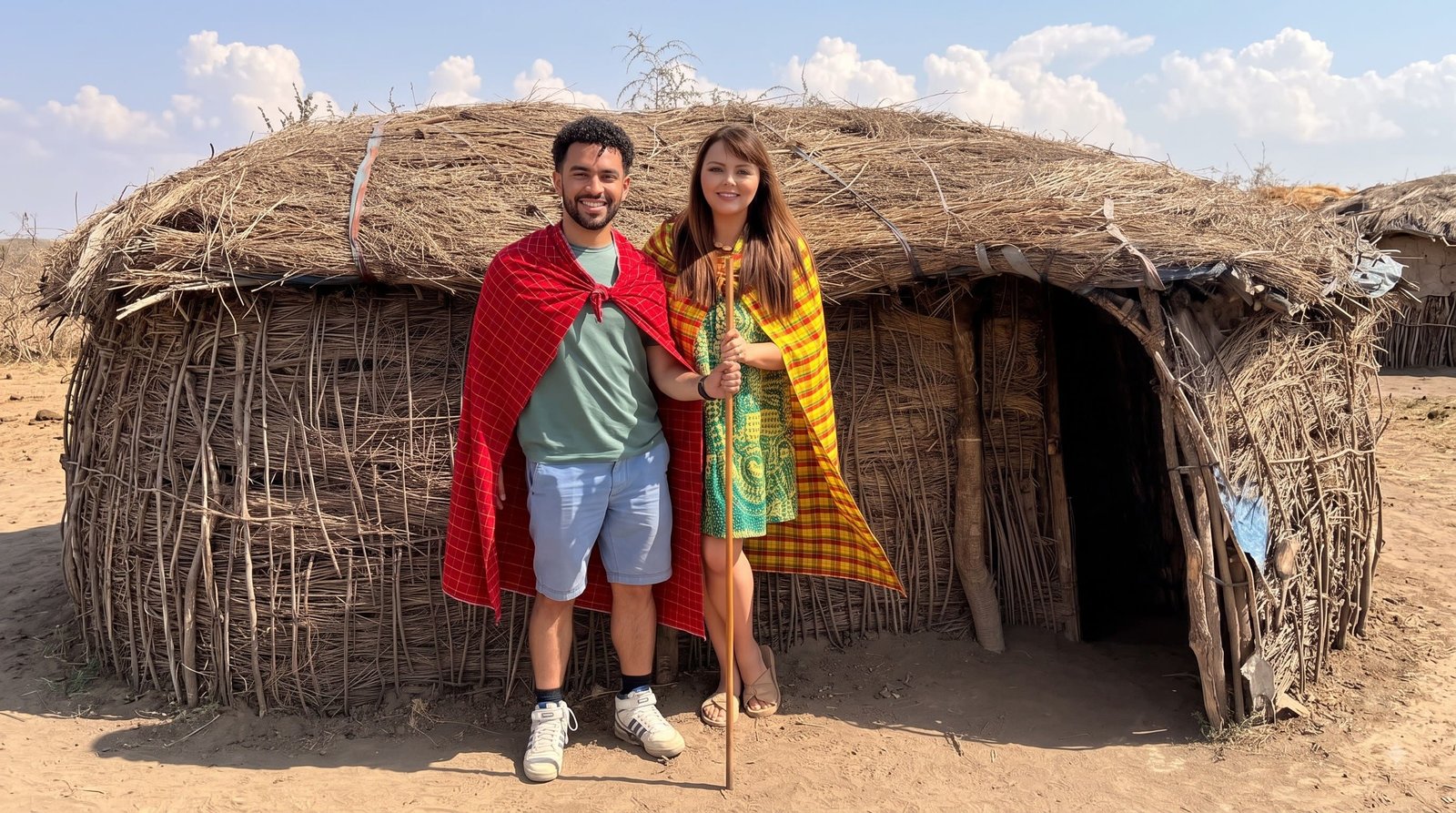
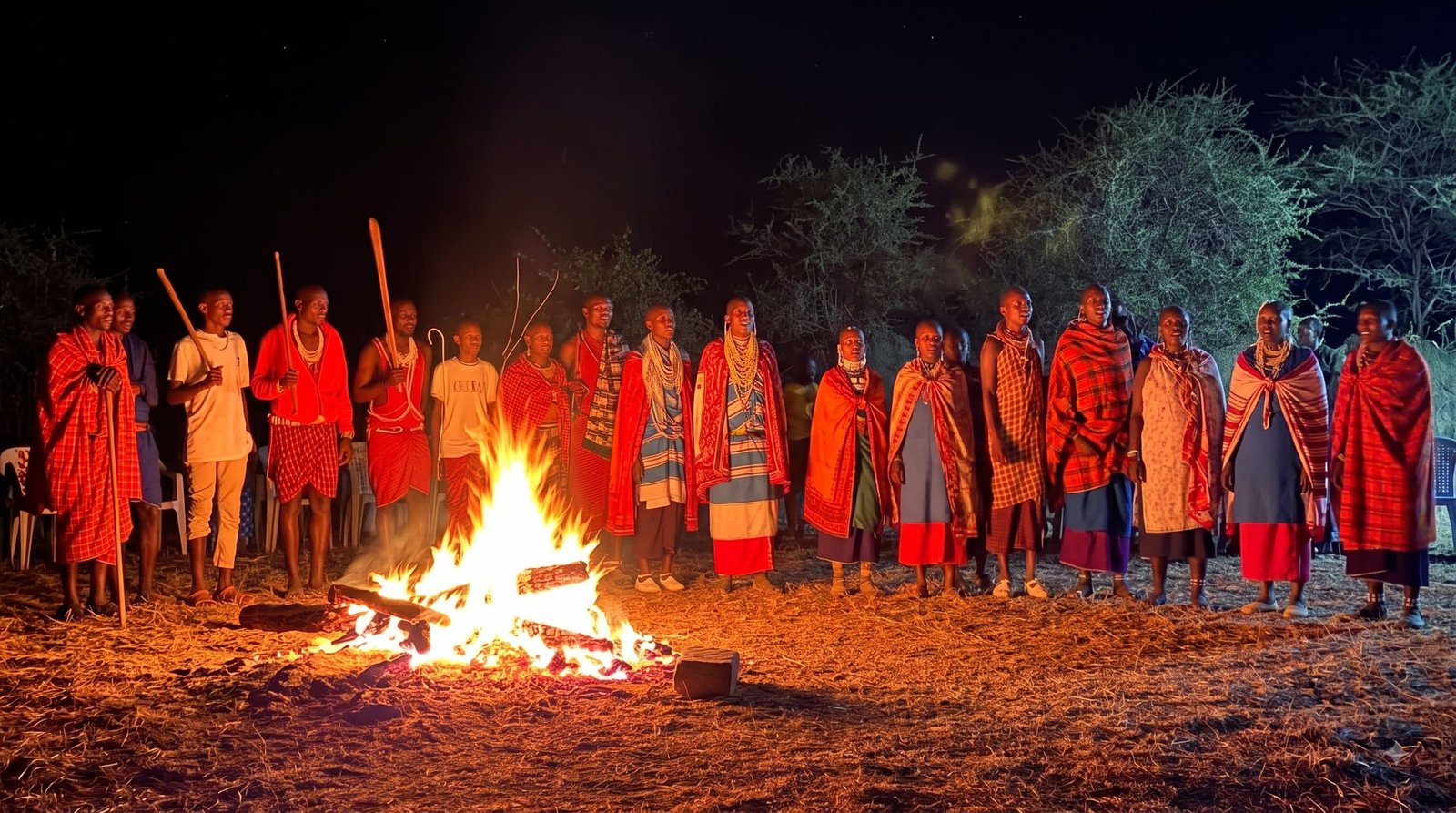
  • A Maasai-led cultural visit to a nearby village
  • Hot-air balloon safaris at dawn

the transfer

Getting to the Mara from Nairobi

Two honest ways in — pick based on time, budget, and whether the drive itself is part of the holiday for you.

Zebra grazing on the open grassland en route to the Masai Mara
the plains, seen from above
by air

Fly in from Nairobi

Scheduled light-aircraft flights leave Nairobi's Wilson Airport several times a day and land on one of the reserve's own airstrips in around 45 minutes — your camp's vehicle is usually waiting on the runway before the propellers stop turning. It's the fastest way in by a wide margin, and the obvious choice if you're connecting straight off an international flight or only have a few days to spend.

best for — short trips, tight schedules, connecting flights

An elephant crossing the road ahead of a private safari vehicle in the Masai Mara
the road has its own right of way
by road

Drive Down from Nairobi

The road covers roughly 270 km via Narok and takes five to five-and-a-half hours, dropping through the Great Rift Valley escarpment along the way with a viewpoint stop most drivers know by heart. It costs less than flying and, if you'd rather not treat the transfer as dead time, pairs neatly with our ten-day route through the Rift Valley lakes — turning one long drive into two of the best days of the whole trip.

best for — combining the Rift Valley lakes, a lower transfer cost

the honest part

What a Masai Mara Safari Actually Costs

Three honest ways to run a reserve-focused trip, priced per person on a twin-sharing basis. Every rupee is accounted for before you fly.

The Reserve & Conservancy

from₹3,65,000

5 days · 4 nights · per person, twin sharing

Two nights inside the reserve, two in a private conservancy next door — the combination we recommend most.

  • Everything in the Reserve Classic
  • One night game drive & one walking safari
  • A Maasai-led village visit
  • Split stay: reserve camp + conservancy camp

The Migration Special

from₹5,25,000

5 days · 4 nights · Jul–Oct · per person, twin sharing

Peak-season only: a camp on the Mara River itself, a guide whose whole job that week is tracking the herds, and a dawn balloon over it all.

  • A river-adjacent camp, peak crossing season
  • Dedicated migration-tracking guide
  • Hot-air balloon & champagne bush breakfast
  • Priority camp access during peak weeks

what's built into every trip

  • A private 4x4 and naturalist guide for the length of your stay
  • Every park, reserve and conservancy fee, pre-paid in INR
  • One dedicated travel designer, working in IST hours
  • Kenya eTA guidance and a full pre-departure documents pack
  • Free date changes up to 45 days before you travel

what you'll pay for separately

  • Flights between India and Nairobi
  • Kenya's eTA fee and mandatory travel insurance
  • Tips for your guide and camp staff
  • The balloon add-on on the Reserve Classic, and premium drinks at some camps

steal this plan

A Sample 5-Day Itinerary

Roughly how the Reserve & Conservancy package above runs in practice — treat it as a shape to adjust, not a fixed script.

the plan, in one breath

day 1Nairobi → Maraarrive · first game drive en route to camp
day 2The Reservefull day of drives · bush breakfast
day 3Conservancytransfer over · afternoon walking safari
day 4Conservancynight game drive · Maasai village visit
day 5Departureone last dawn drive · fly back to Nairobi

before you ask

About the Reserve, Answered Honestly

The questions guests ask most before a Masai Mara National Reserve safari. Something else on your mind? Your designer will happily answer it.

The National Reserve is the roughly 1,510 km² protected area itself, managed by Narok County and, on its western Mara Triangle side, the Mara Conservancy; it's open to any licensed vehicle, so sightings can occasionally draw a few more vehicles at busy times. The private conservancies ring the reserve on land leased from Maasai landowners, and each caps the number of beds and vehicles allowed per sighting — which is also where you'll find night drives, walking safaris and off-road driving, all restricted inside the reserve itself.
Four nights is our honest minimum for the reserve to properly reveal itself — anything shorter and you're mostly driving to and from the airstrip. Five nights split between the reserve and a conservancy is the sweet spot for most first-time guests, giving you both the reserve's density of game and a conservancy's quieter, more flexible activities.
Not inside the National Reserve boundary — night driving and walking safaris aren't permitted there, largely to protect both wildlife and visitors in an unfenced ecosystem. Step into one of the bordering conservancies, though, and both open up, along with off-road driving when a sighting is worth the detour.
The Mara River crossings cluster between July and October, when the herds are pushed north out of the Serengeti by the dry season, though the exact week shifts a little each year and no guide can promise a crossing on any single day. December to February is our value pick for guests who'd rather trade the crossings for shorter grass, easier cat sightings and gentler camp rates.
Yes — guided game drives in a professionally driven 4x4 are a low-risk way to see genuinely wild animals, and camps brief every guest on simple after-dark rules. For entry you'll need Kenya's eTA, a Yellow Fever certificate is recommended for travellers from India, and comprehensive travel insurance is mandatory on every trip we book.
Reserve-only trips on this route start around ₹2,45,000 per person on a twin-sharing basis for four days and three nights; adding a conservancy stretch or timing your trip to the July–October migration moves that upward. International flights between India and Nairobi are priced separately, and we're happy to help you compare routings once your dates are set.

one reserve, a hundred good reasons.

Chat on WhatsApp Call +91 98744 08179